









Be the first to comment
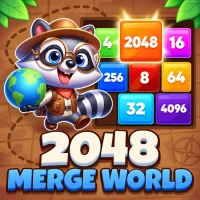
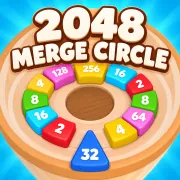
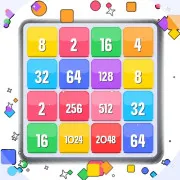
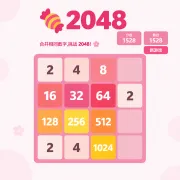
2048 Merge World turns number merging into a vertical block-dropping puzzle. Place each tile carefully, combine matching values, and keep the growing stack below the top of the board.
A numbered block appears above the five-column playfield. Choose its position and release it into a column. When two identical blocks connect, they merge into the next value: 2 becomes 4, 4 becomes 8, and the sequence continues toward 2048 and beyond.
Every dropped block occupies space, so careless placement quickly creates uneven piles and trapped numbers. The run ends when the stack reaches the upper limit.
One merge can bring another matching pair together, producing a chain reaction. These combinations increase your score while clearing more space than a single merge.
The preview shows which number is coming next. Check it before each move and prepare a suitable landing position. This allows you to plan connected merges rather than reacting after the board becomes crowded.
Keep larger values near the bottom and avoid covering them with unrelated blocks. Try to maintain a low, balanced stack while leaving at least one flexible column for difficult numbers.
An immediate merge is not always the strongest move. Sometimes placing a block beside a future pair creates a larger chain and opens more space. As the board fills, controlling its height becomes more important than collecting a small score bonus.